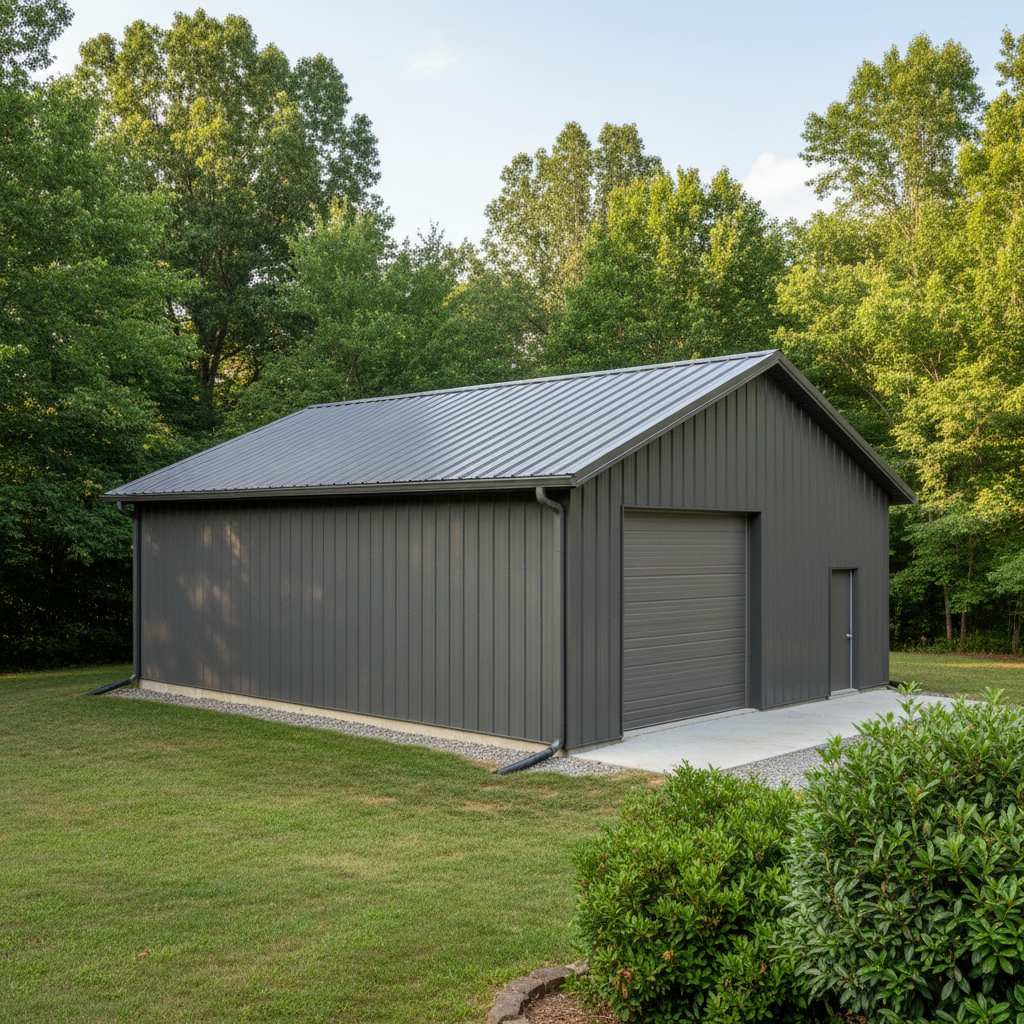
So, you're thinking about a metal building – maybe a new workshop, a bigger garage, or just some extra storage space. That's a great idea! Metal buildings are tough, really versatile, and they can definitely boost your property's value. But, having worked in this business for a long time here in Knoxville, I've seen folks stumble over the same few things. You certainly don't want to be one of them. Let's chat about how to steer clear of those headaches and regrets.
Skimping on Site Prep: A Foundation for Failure
This is probably the biggest mistake I see, hands down. People get all excited about the building itself and completely forget what it's going to sit on. You just can't plop a metal building down on uneven ground and call it good. Especially here in East Tennessee, with our clay soils and rolling hills, proper site preparation isn't just an option; it's absolutely essential.
I'm talking about grading, drainage, and a really solid foundation. If your site isn't level and drains well, you're practically inviting trouble. Water will pool up, erode the foundation, and could even seep into your building. That's not just annoying, you know; it can damage your property and weaken the building's structure over time. Don't let some contractor tell you they can just 'level it out with some gravel.' You need a proper, engineered foundation, whether that's a concrete slab or piers, specifically designed for your building and the soil conditions. Get it right the first time, or you'll definitely pay for it later, I guarantee it.
Ignoring Local Zoning and Permits
Oh, the number of times I've watched someone get a building almost finished, only for the city or county to shut them down. It turns into a real mess, and fixing it costs a fortune. Every jurisdiction in Knox County — whether you're right in the city limits or out in a more rural spot — has rules about what you can build, where it can go, and how big it can be.
You need to check zoning ordinances, setback requirements, and building codes BEFORE you even think about ordering your building. Does your property have an easement you didn't know about? Is your planned building too close to a property line? Do you need a specific kind of foundation for a commercial-grade building? These aren't questions you want to ask after the fact. Get your permits sorted out. It might feel like a pain, but trust me, it's a whole lot less hassle than tearing down a half-built structure or having to pay huge fines. A good contractor, like us at Apex Metal Buildings, will help guide you through this process, but ultimately, it's your responsibility as the homeowner.
Choosing the Cheapest Bid (and the Wrong Contractor)
Look, I totally get it. Everyone wants to save a buck. But when you're talking about something as big as a metal building, the cheapest bid is almost never the best one. I've seen contractors cut corners on materials, use inexperienced crews, or just disappear halfway through a job. You're not just buying a building; you're buying peace of mind and quality work.
Here's what you should really look for:
- Experience with metal buildings: Not just general construction, but specifically metal structures. They're different, believe me.
- Proper licensing and insurance: This is non-negotiable. If they're not insured, you're on the hook if someone gets hurt on your property.
- References: Ask for them, and actually call them up. See their past work if you can swing it.
- A detailed contract: It should spell out everything: materials, timeline, payment schedule, warranties, and what happens if there are delays or changes.
- Communication: Do they answer your calls? Are they clear about the whole process? If they're flaky before you even sign, just imagine what they'll be like during the project.
A reputable contractor might not be the absolute cheapest option, but they'll save you money and stress in the long run by doing the job right.
Underestimating Your Future Needs
This one's a classic. You think you need a 20x30 building, and a year later, you're kicking yourself because you've already outgrown it. Or maybe you didn't plan for insulation, and now your workshop is an oven in July and a freezer in January. Seriously, think ahead!
Consider these things:
- Size: Always go a little bigger than you think you need. Storage fills up fast, doesn't it?
- Insulation: If you're going to spend any real time in there, or store temperature-sensitive items, insulate it from day one.
- Electrical and plumbing: Do you think you might need power outlets, lighting, or even a water hookup down the road? It's much easier and cheaper to run these during construction than to try and add them later.
- Door types and sizes: Will you need an overhead door for a vehicle? A walk-through door? Make sure they're placed conveniently and are large enough for whatever you'll be moving in and out.
It's always more cost-effective to include these things in the initial design and build than to try and add them later. Plan for growth, plan for comfort, and plan for functionality.
Getting a metal building is a big investment, and it should be one that serves you well for decades. Don't rush it, don't cut corners, and don't be afraid to ask a ton of questions. Do your homework, pick the right partner, and you'll end up with a building you're truly happy with.