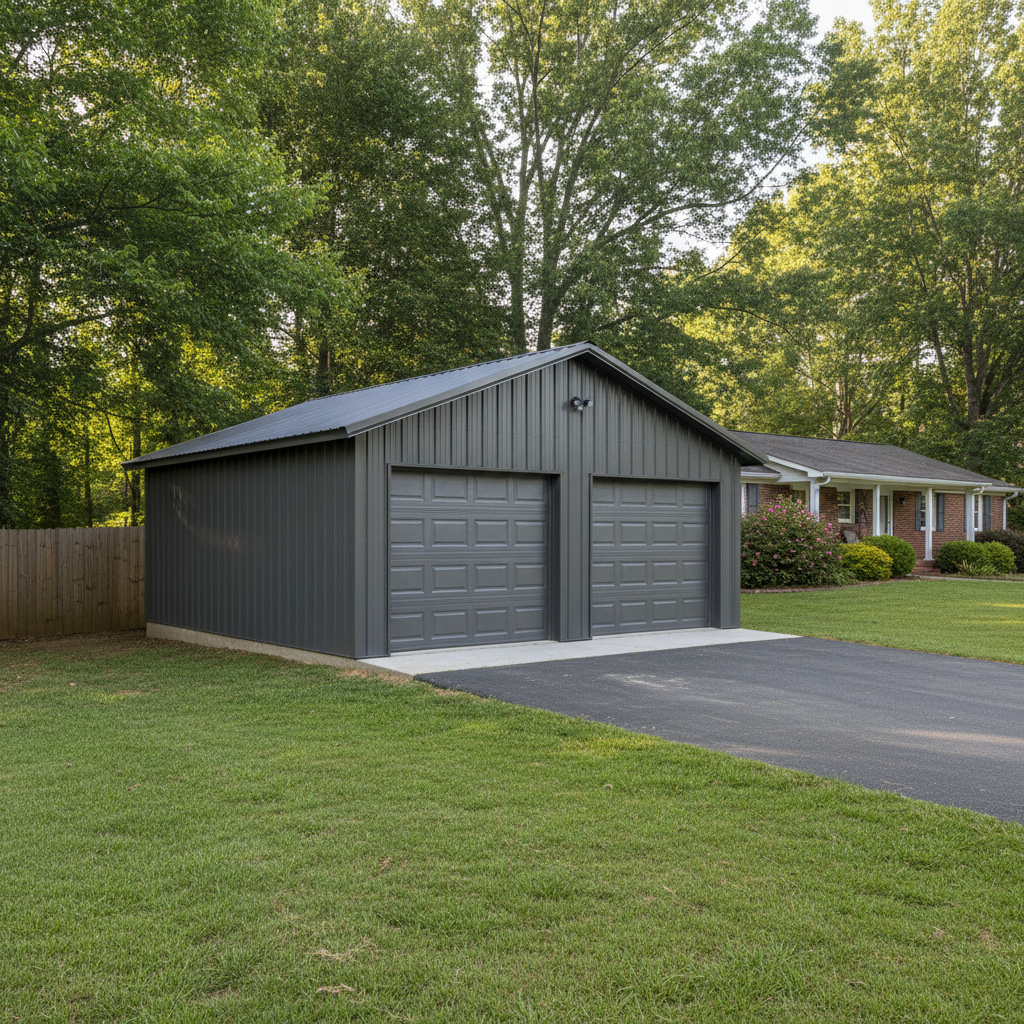
Thinking about adding a metal garage, are we? That’s a smart move, whether you need extra storage, a dedicated workshop, or just a safe spot for the boat. But here in Knoxville, our weather can be pretty unpredictable. That means you've got to think beyond just the building itself. You’ll want to consider the best time to build and, of course, how to keep your new garage in tip-top shape through all four seasons.
When's the Best Time to Build Your Metal Garage?
Honestly, we can put up a metal garage pretty much any time of year. Still, some seasons definitely make things easier for both our schedule and the crew. We've built plenty of structures for folks in Sequoyah Hills and out in the county, and the challenges really do shift with the calendar.
Spring (March-May): This is a popular time, and it makes sense. The ground's usually thawed, and you often get a string of mild days. We can pour foundations without worrying about freezing, and the crew isn't battling extreme heat. The downside? Spring showers can throw a wrench in the works. A few days of heavy rain can turn a site into a muddy mess, and we can't work safely or effectively in those conditions. So, if you're planning for spring, be ready for potential rain delays.
Summer (June-August): Hot, hot, hot. That's summer in Knoxville for you. While we get long daylight hours, the heat and humidity can be brutal. We have to take more breaks, drink plenty of water, and sometimes adjust our hours to avoid the worst of the midday sun. Concrete actually cures faster in the heat, which is a plus, but it also means we have to work quickly. Thunderstorms are also a regular occurrence, which can stop work for safety reasons. If you need it done fast and don't mind the heat, summer works, but it's not always the most comfortable for the crew, is it?
Fall (September-November): This is often the sweet spot. Temperatures are usually perfect for working — not too hot, not too cold. We get fewer pop-up thunderstorms than in summer, and the ground is typically dry enough for good site access. Foundations can be poured without much fuss, and the crew can work really efficiently. If you can schedule your build for the fall, you'll likely have the smoothest experience.
Winter (December-February): Building in winter brings its own set of challenges. Freezing temperatures can halt concrete work entirely, since fresh concrete needs to cure properly without freezing. We also deal with ice and snow, which makes site access tricky and can be dangerous for the crew working at heights. That said, if we get a mild winter, we can make good progress. The biggest advantage of winter? Our schedule might be a little more open, so you might get your project started sooner once conditions allow.
Weather Conditions That Affect Your Build
It's not just the season; it's the specific conditions on any given day. Here's what we keep an eye on:
Heavy Rain: We can't pour concrete in standing water. And we definitely can't safely erect steel on slick, muddy ground. It just slows everything down.
High Winds: This is a big one for safety, especially when we're putting up the steel frame and sheeting. We won't risk a crew member or damage to materials if the wind is too strong. It's just not worth it.
Freezing Temperatures: As I mentioned, concrete needs specific temperatures to cure correctly. If it freezes too soon, you'll have problems down the road. We also can't work with some sealants or paints in freezing weather.
Extreme Heat: While we can work in it, extreme heat can lead to crew fatigue and slower progress. We prioritize safety and hydration, which sometimes means shorter workdays.
We'll always communicate any weather-related delays with you. We want to get your garage up as much as you do, but we won't cut corners on safety or quality just to beat a storm.
Protecting Your Investment Year-Round
Once your Apex Metal Buildings garage is up, you've got a fantastic, durable structure. But even the toughest buildings benefit from a little care. Here’s how to keep it looking good and performing well:
Keep it Clean: A simple wash down once or twice a year with a hose and a soft brush can prevent dirt and grime buildup. Pay attention to areas under eaves or where water might collect. This is especially true if you're near a lot of trees; pollen and sap can really stick to the finish.
Check for Debris: After strong winds or heavy storms, take a walk around your garage. Look for any branches, leaves, or other debris that might have collected on the roof or against the walls. Clearing this prevents potential scratches or blockages in your gutters.
Inspect Fasteners and Sealants: Every year or two, do a quick visual check of all the screws and fasteners. Make sure they're still tight and that no caps are missing. Also, look at any caulking or sealants around doors, windows, or trim. If you see cracks or gaps, reapply as needed. This is your first line of defense against water intrusion.
Maintain Drainage: Ensure your gutters (if you have them) are clear and that water is draining away from the foundation. Poor drainage can lead to issues with the concrete slab over time, even with a well-built metal structure.
Address Damage Promptly: If you notice any dings, scratches, or minor damage to the metal panels, address them quickly. A small scratch can turn into a bigger problem if left exposed to the elements. Touch-up paint kits are usually available for matching the original finish.
Your metal garage is built to last, but a little proactive maintenance goes a long way in making sure it serves you well for decades. If you ever have questions about your Apex Metal Buildings structure, you know who to call.